Best Time to Visit Marsh Lake: A Month-by-Month Guide
Marsh Lake changes character with every season, and choosing the right month shapes whether you're chasing swans, midnight light, or the aurora over the Southern Lakes.
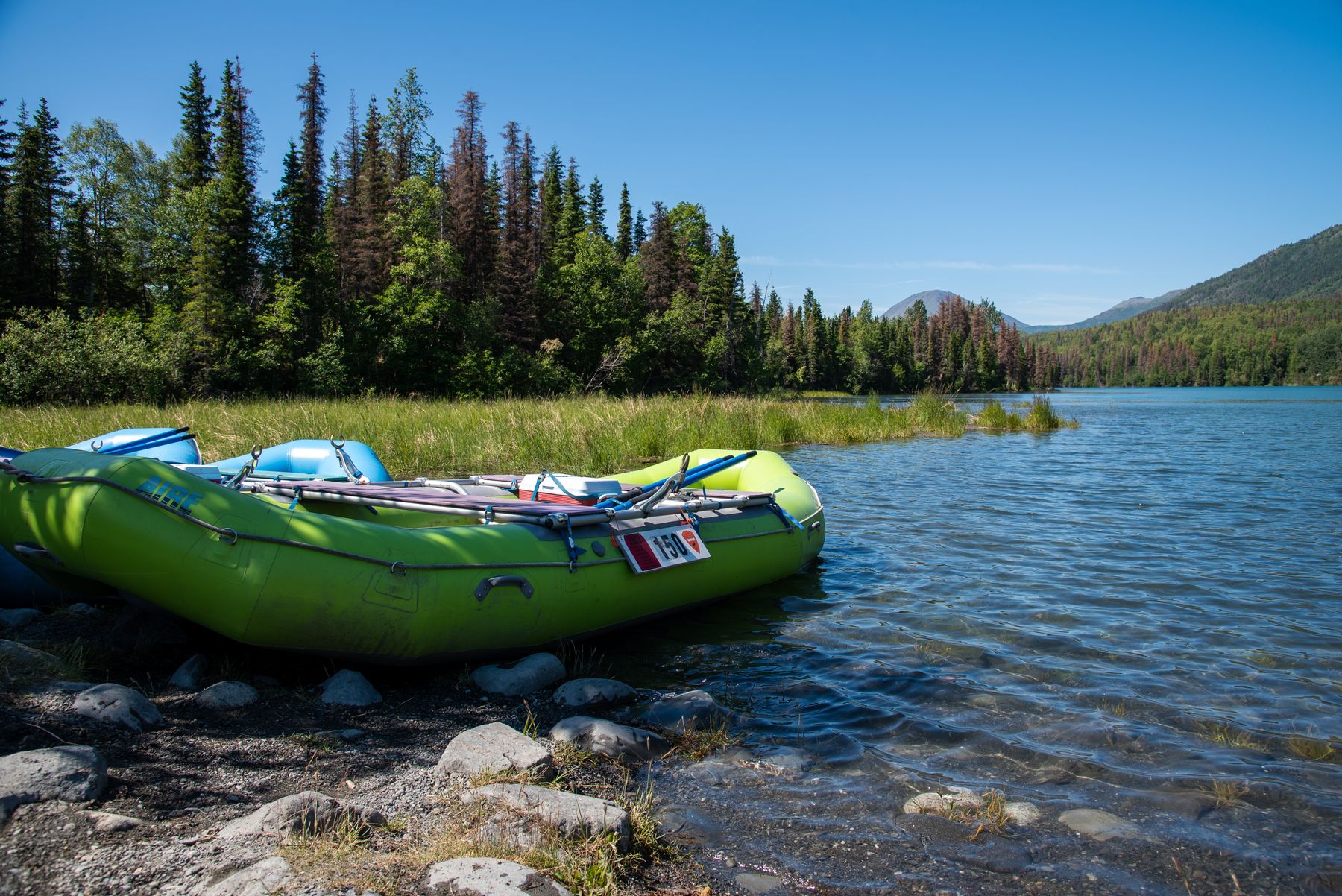
Spring: Swans Return to the Marsh
Marsh Lake is along the Alaska Highway, under an hour south of Whitehorse. This guide goes through the seasons so you can match a visit to what you want to see.
Spring is when it draws birders rather than paddlers. In late April, thousands of trumpeter swans and Canada geese stop at M'Clintock Bay as the ice breaks up, feeding on the first open water before continuing north. The Yukon government's Swan Haven interpretive site on the bay's shore is the easiest place to watch them, usually staffed with volunteers and spotting scopes for a couple of weeks each spring.
May is quieter and often colder than people expect, with ice sometimes lingering into the first week. Roads stay reliable, so this is a good shoulder-season window if you want lower demand on hotels while still having full access to the lake. Wildlife viewing beats paddling this early; canoes and kayaks really only make sense once the water is consistently ice-free, which is typically mid-May at the soonest and more dependable by month's end.
Summer: Midnight Sun on the Water
In June, daylight stretches past 11 p.m., giving long evenings for outdoor activities. Army Beach, on the lake's western shore, offers a sandy swimming area that warms enough for comfortable swimming by mid to late summer, plus a boat launch, picnic tables and a campground for overnight stays. Canoes and kayaks can be launched directly from the beach, making it a convenient starting point for paddling trips on the lake.
Anglers come here through the summer to fish for lake trout, northern pike and Arctic grayling. A valid Yukon angling licence is required before fishing, and it is worth checking current regulations and catch limits in advance of your trip.
Fall: Colour, Quiet, and the First Aurora Nights
September turns Marsh Lake gold as birch and aspen along the shoreline change colour, usually peaking in the second or third week. Traffic drops sharply after Labour Day, campgrounds like Wolf Creek south of Whitehorse empty out, and fishing remains good without the summer competition for prime spots. Daytime temperatures are still mild enough for paddling in early September, though evenings cool quickly and wind can pick up across the open water.
This is also when aurora season quietly restarts, since nights grow dark enough again by late August to see the northern lights on clear evenings. Marsh Lake's distance from Whitehorse's streetlights makes it a reasonable viewing spot if you're staying nearby, though many visitors still base themselves in Whitehorse and drive out for an evening rather than camping in the cold. September rewards flexibility more than planning around a single date.
Winter: Ice, Stars, and Cold-Weather Adventure
January temperatures often fall below minus 20 C, so pack layers, a warm hat, and footwear rated for extreme cold. Aurora season runs roughly from late August to April, with the darkest, clearest nights from September to March typically offering the best viewing chances.
Once the lake freezes, visitors and locals alike ice fish and ski on and around it. Ice thickness varies through the season, so check current ice conditions with local outfitters or park authorities before heading out, and avoid venturing onto the lake alone.
Driving from Whitehorse to Marsh Lake is generally straightforward, but winter travellers should expect ice and, after dusk, unlit stretches. It's always a good idea to set out with a full tank of fuel since services along the way are limited. Inn on the Lake operates year-round, making it easy to stay overnight at the lake rather than returning to Whitehorse the same day.
Where to stay
You don't have to drive back to Whitehorse for the night. There is a range of cabins and other places to stay along the lake, and what's available varies by season.
Inn on the Lake is a lodge on the shore of Marsh Lake, about 40 minutes south of Whitehorse, and is open year-round, making it a reliable base in every season, including winter for travellers hoping to see the northern lights. Marsh Lake Campground, run by the Yukon government, has 66 sites that can be reserved online. It is usually open from May to the start of October and fills quickly on summer weekends, so booking a site well ahead of a July or August trip is advisable. Check Yukon.ca for this year's exact opening and closing dates. Northern Lights Resort & Spa is just outside Whitehorse and offers chalets, a good option for travellers who want easy access to both the lake and the city. Check with each place directly for current availability and seasons before finalizing travel plans.
Questions, answered
When do the swans arrive at Marsh Lake?
Trumpeter swans and Canada geese typically arrive in late April as the ice breaks up, concentrating at M'Clintock Bay near the Swan Haven interpretive site for a couple of weeks before moving on.
Where can I stay at Marsh Lake?
Inn on the Lake and Marsh Lake Campground are on the lake, and cabins are spread along the shore. Northern Lights Resort & Spa is just outside Whitehorse. Check each one directly for availability and seasons.
When is the aurora best seen near Marsh Lake?
Aurora season runs roughly late August through April, with the darkest, clearest conditions in December and January; Marsh Lake's distance from city lights often gives better visibility than downtown Whitehorse.
5% back on completed stays · ~1 tonne CO₂ retired per booking